Table of contents
Bad travel advice can cost you a day, a wallet, or your patience, yet the most useful tips often come from the people you meet in line for a museum, on a night train, or in the comments of a local forum. In 2026, with crowds returning hard to Europe and prices still volatile, “stranger intel” is shaping itineraries in real time, from which neighborhood to book to which transit pass actually works. The trick is knowing what to trust, and how to act fast without getting played.
When a quick tip beats the guidebook
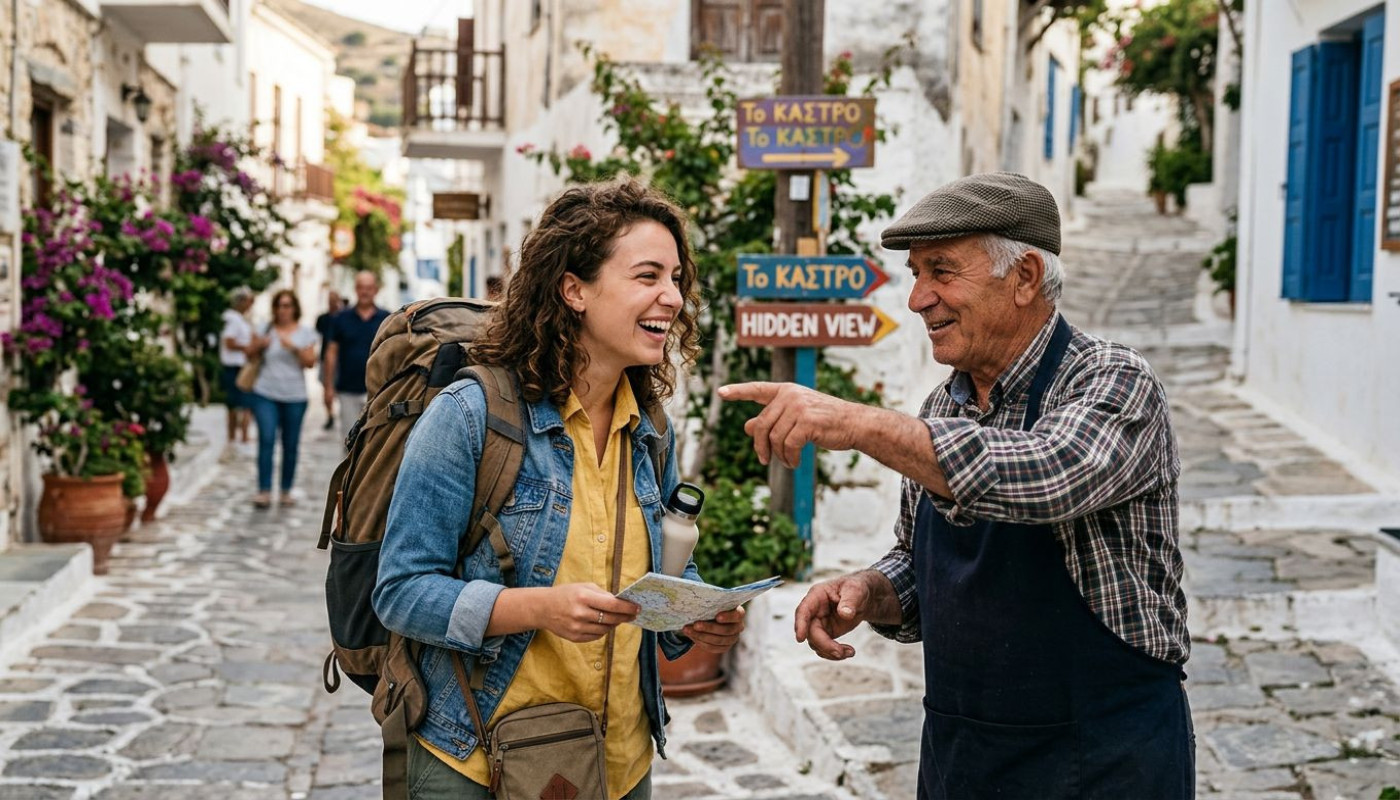
You can plan for months, and still miss the detail that matters. A museum changes its entry system, a city introduces a new visitor cap, a rail operator quietly tweaks peak rules, and suddenly the neat itinerary you saved in your phone stops matching reality. That gap between what you researched and what is true today is exactly where advice from strangers can save a trip, because it arrives with a timestamp and a context, and it is usually anchored in one very concrete problem: “Don’t do that line,” “Use that entrance,” “Buy it there, not here.”
Researchers have documented how quickly travel conditions evolve compared with traditional editorial cycles. The World Tourism Organization has repeatedly highlighted the sector’s rapid rebound and shifting demand patterns since 2023, with international arrivals returning close to pre-pandemic levels and then rebalancing unevenly by region; that volatility shows up on the ground as congestion at specific sites, dynamic pricing for attractions, and last-minute policy adjustments. In practice, this means a 12-month-old blog post can be accurate about a cathedral’s history and totally wrong about how to get inside efficiently, while a traveler you meet at breakfast can tell you that Tuesdays now require timed tickets, and that the “skip-the-line” option is sold out by noon.
Stranger advice also tends to surface the unglamorous pitfalls that guidebooks underplay. It is one thing to say “watch for pickpockets,” and another to hear a commuter describe which escalator in a specific station is routinely targeted at 6 p.m. It is one thing to recommend “public transport,” and another to learn that an airport express is temporarily reduced, and that a particular local train is more reliable and half the price. What looks anecdotal can be operationally precise, and in travel, operational details are often the difference between arriving and improvising.
The key, though, is not romanticizing spontaneity. Trusting strangers works best when you treat their input as a lead, not a verdict, and you confirm it with one additional source. That second source can be an official transit account, a venue’s reservation page, or even a handful of consistent reports across different travelers. Speed matters, and so does triangulation, because the same channels that carry life-saving tips also carry outdated rumors, marketing disguised as friendliness, and the occasional outright scam.
The best strangers are the most specific
Want to know if advice is solid? Listen for numbers, names, and constraints. Good tips sound like a mini-briefing: “The first ferry is at 6:20,” “That gate closes at 4:45,” “Cash only under €10,” “Use exit B, not A.” Vague guidance, even when well intentioned, is the kind that leads you to waste time: “Go early,” “Avoid tourist traps,” “Try the local place.” It may be true, but it is not actionable, and actionability is what saves a day.
Seasoned travelers and locals also tend to frame advice in terms of trade-offs. They do not promise magic, and they do not oversell. They will tell you that a scenic route is slower, that a neighborhood is safe but noisy on weekends, that the cheaper ticket locks you into a specific train. This is where practical literacy matters, because travel decisions are rarely binary, and the right choice depends on what you value: time, comfort, money, or certainty. The most helpful strangers will ask one or two questions before recommending anything, and that is a quietly powerful credibility signal.
There is also a pattern to where the best advice appears. In many European cities, front-line workers, including hotel receptionists, café staff, and museum attendants, function as informal dispatchers for visitors; they see the same problems all day and learn the fastest fixes. Fellow travelers, meanwhile, are often excellent at surfacing the “gotchas” of booking platforms, baggage rules, and itinerary timing, because they just made the mistake you are about to make. Online, the most reliable tips tend to cluster in recent threads, with back-and-forth discussion and corrections, rather than in single-post proclamations.
Digital platforms have changed the economics of trust. Reviews and forums scale advice, but they also scale manipulation, and that is why specificity is your friend: it is harder to fake. If a stranger can tell you which bus stop sign has the wrong timetable, or which street is pedestrianized on Sundays, they are probably describing a real experience. If they only tell you that a place is “amazing” and then push you toward a purchase, you are no longer receiving travel advice; you are being funneled.
Scams thrive on urgency, not kindness
Not all spontaneous help is harmless. The most common travel scams are not sophisticated, they are urgent, and urgency is what makes people stop thinking. A stranger insists your ticket is invalid, that the machine is broken, that the “official” booth is closed, and that you must act now. The playbook is designed to cut off verification, and the antidote is simple: pause, step aside, and check one official source before paying or handing over documents.
Public authorities across Europe have repeatedly warned visitors about classic fraud patterns around transport hubs and tourist landmarks, including fake petitions, distraction pickpocketing, and unofficial “helpers” who charge for services that are free. The precise mix varies by city, but the psychology is consistent. Scammers mimic the tone of legitimate assistance, and they target the moments when travelers are overloaded: after a flight, before a train, or at the first interaction with a ticketing system. If you are holding luggage and staring at a screen in a foreign language, you look like a perfect customer.
That does not mean you should distrust everyone; it means you should protect your decision-making bandwidth. Keep your cards and passport out of sight, say no to anyone who physically blocks your path, and do not let a stranger handle your phone “to help” with an app. If someone offers to guide you to an ATM, decline, and walk into a bank branch or a well-lit shop area instead. If you are unsure about a fare or a fine, ask an identifiable employee, and if there is none, move to a place with cameras and staff before you try to solve it.
It is also worth separating “friendly advice” from “transactional advice.” Friendly advice ends when you say thanks; transactional advice escalates toward money, documents, or urgency. When a stranger’s story becomes a demand, the safest assumption is that the kindness is a costume. Travel is full of genuine generosity, but it is not your job to reward it on the spot, and any legitimate helper will accept that you want to verify first.
Turn local tips into a better itinerary
Advice is only useful if it changes what you do next. The smartest travelers treat tips like real-time data, and they update the plan in small, reversible moves: shift a museum to the morning if someone warns you about afternoon queues, swap a restaurant neighborhood if locals tell you it is a better fit for your budget, or choose a different day trip if weather is moving in. You do not need to rebuild the entire schedule, you need to remove the single friction point that would have ruined the day.
This is where digital tools can amplify what strangers tell you. If someone mentions a neighborhood, pin it; if they mention a route, save it; if they mention a ticket rule, screenshot the official page. Keep a simple “today” list and a “maybe” list, and you will be able to act without spiraling into endless research. Over time, you also learn which categories of advice deserve immediate action: transport disruptions, timed entry requirements, and local holidays are high priority, while restaurant opinions and “hidden gem” claims can wait.
Some cities even reward travelers who plan with local nuance rather than generic checklists. Shoulder-hour visits reduce time in lines, smart transit choices cut costs, and neighborhood-based planning avoids cross-town commuting. When a stranger tells you that a certain area is better for walking, or that a scenic route is worth it at dusk, they are offering more than a tip; they are offering a way to experience the city like someone who lives there. If you are building a trip around a particular destination and want to align expectations, pace, and practicalities, resources that focus on the feel of a place, and not just the landmarks, can help you translate those micro-tips into a coherent plan, including guides like https://www.oslo-spirit.com/.
Finally, remember that the best advice loop is reciprocal. Ask a clear question, get a clear answer, and then, if it helps, pay it forward in a specific way: update a recent thread with what you learned, tell the next traveler which entrance worked, or share the exact timetable you confirmed. In a world where travel conditions change fast, the most valuable currency is not inspiration; it is accurate, timely, verifiable detail.
Before you go, lock in the essentials
Reserve timed entries early, and set alerts for transport changes. Build a realistic daily budget, including a buffer for dynamic prices and last-minute bookings. Check whether city passes, youth tariffs, or regional rail deals apply to you, and verify eligibility rules on official sites; a two-minute confirmation often saves a costly mistake at the gate.
Similar articles