Table of contents
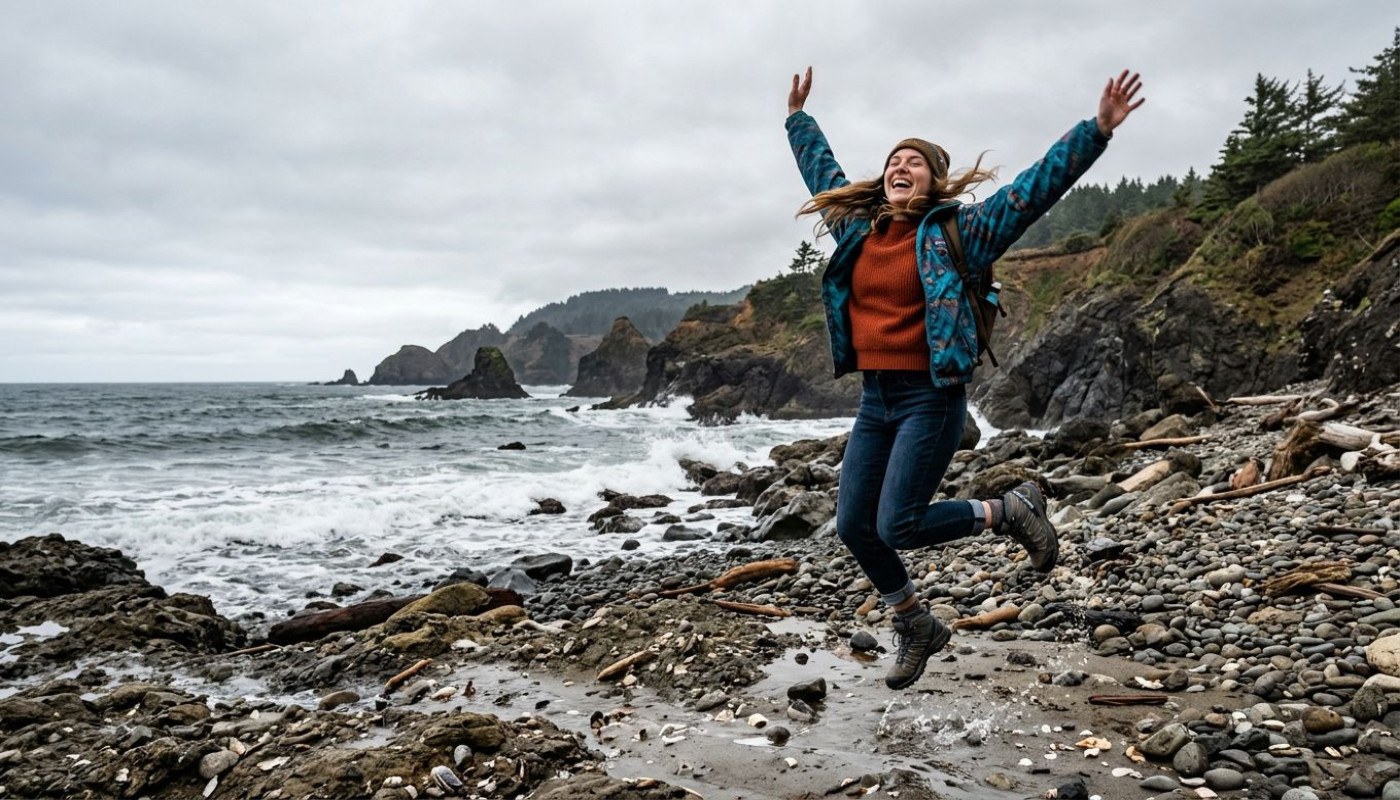
Not every trip is remembered for the museum ticket you booked months ahead, or the restaurant reservation that took three reminders to confirm. Increasingly, travel researchers and tourism boards are documenting a shift: travelers say the moments that “stick” are the unplanned ones, the detours, the conversations, the sudden yes to something unexpected. In an era of algorithmic itineraries and overcrowded hotspots, spontaneous choices are becoming a quiet antidote, and they can radically change what you take home: not souvenirs, but stories.
Why the unscripted moments stay longest
Memory is not a neutral recording device, and the science is blunt about that. Studies in cognitive psychology repeatedly show that novelty, emotion, and personal involvement increase the likelihood that an experience is encoded and later retrieved, which is precisely what spontaneous activities tend to deliver. When you take a wrong turn and find a neighborhood market, you are not just observing; you are navigating, deciding, adapting, and those small decisions add a layer of agency that planned activities often lack. Add a bit of surprise, a dash of uncertainty, and you have the cocktail that strengthens recall.
That helps explain why travelers often describe their favorite moments in a vocabulary that sounds more like storytelling than scheduling: “we stumbled on,” “we ended up,” “someone told us.” Tourism data points in the same direction. In its global travel insights, the UN World Tourism Organization has highlighted how demand is moving toward “experiences” and local life, not only landmarks, and major travel platforms report that last-minute bookings for activities, guided walks, and food experiences keep growing. The logic is simple: the more a moment feels uniquely yours, the more it becomes a marker in your personal timeline, and spontaneity is one of the fastest ways to create that feeling.
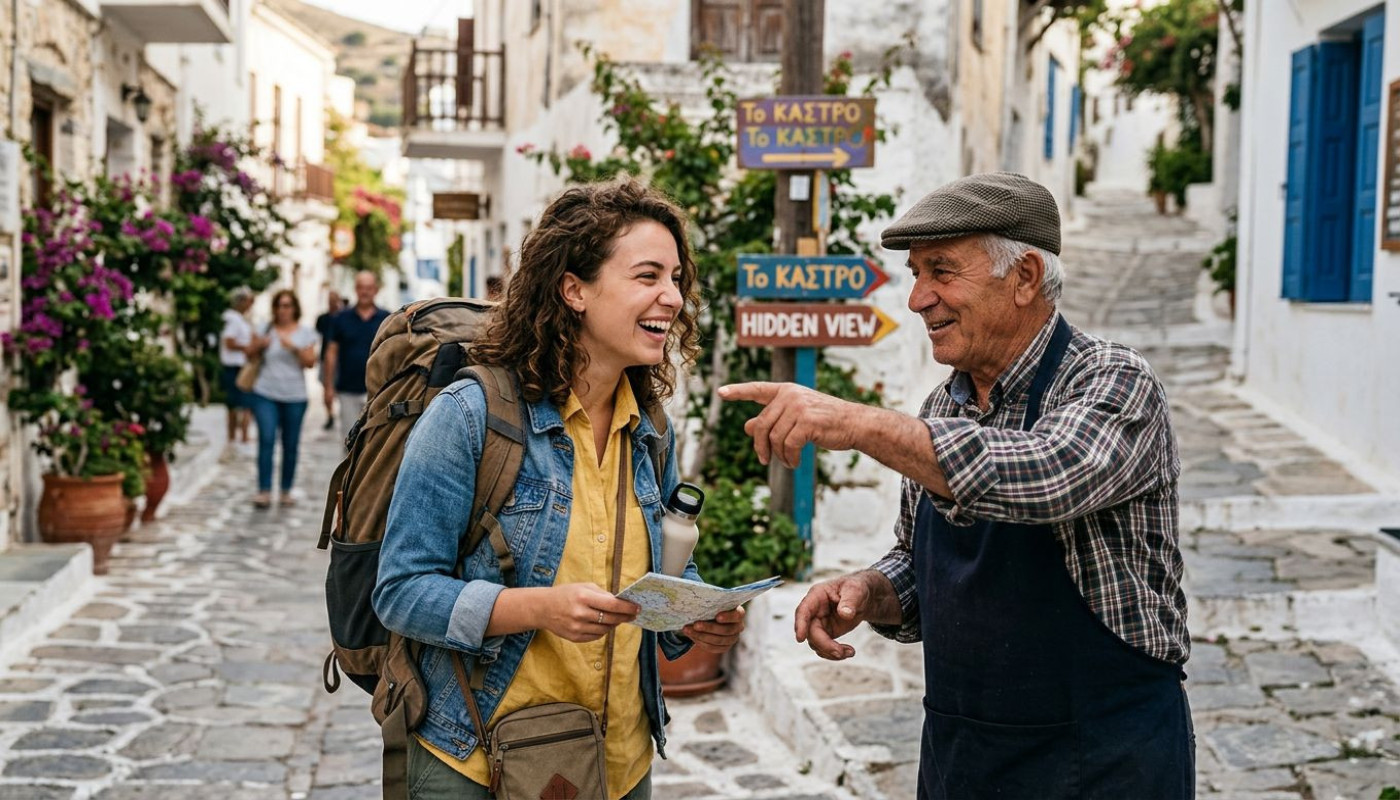
There is also a social dimension that travelers underestimate until they feel it. Unplanned activities often open doors to interactions, because they require asking questions, reading a room, and trusting micro-signals: a waiter’s suggestion, a bus driver’s tip, a neighbor’s “go there, not here.” Those exchanges can be brief, yet they add human texture, and when you later replay the trip in your mind, it is rarely the queue that returns first, it is the voice, the gesture, the shared laugh, and the sense that you were, for a moment, part of the place rather than passing through it.
Small detours can rewrite a whole trip
It does not take a dramatic pivot to change the emotional arc of a journey. A ten-minute detour can shift the mood of a day, and a single spontaneous afternoon can rescue a trip that felt too rigid or too crowded. Think of the traveler who abandons a midday plan because the heat is relentless, and ends up in a shaded café where a local festival is being prepared, or the family that skips a famous viewpoint because the line is endless, and instead follows a footpath to a quieter overlook that becomes “their” spot. The difference is not just comfort; it is authorship, the feeling that the trip is happening with you, not to you.
Overtourism has made these detours more than a romantic idea; in many destinations, they are a practical strategy. The European Travel Commission and several national tourism bodies have pushed messages about dispersing visitors beyond the most saturated centers, and travelers increasingly respond by exploring secondary neighborhoods, smaller towns, and off-peak hours. Spontaneity helps because it is responsive: you can adjust to crowd levels, weather, and local rhythms in real time, and that flexibility often produces a more vivid, less stressful experience.
There is a cost-benefit angle, too, especially as budgets tighten. Inflation has raised the price of flights, accommodation, and dining in many markets since 2022, and travelers have become more selective about what they “lock in” early. Spontaneous choices can be a way to protect value: when you commit only to the unmissable, you leave room to choose the rest based on how you actually feel on the ground. That might mean swapping an expensive organized outing for a low-cost hike, a public beach, or a community event, and those options can be just as memorable, sometimes more, because they come with the satisfying sense that you discovered them rather than purchased them.
How to improvise without wasting time
Spontaneity is not the same as chaos, and the travelers who do it best tend to follow a few pragmatic rules. First, they anchor the day with one fixed element, not five. A single reservation, a morning museum slot, or a booked transfer creates structure, and everything around it can flex; you avoid the anxiety of “we have nothing,” while still leaving space for surprise. Second, they build in buffers on purpose, because a trip without empty time is a trip without oxygen. A free two-hour window is not “dead”; it is an invitation to follow a lead.
Third, they do micro-research, not exhaustive research. Knowing the geography of a city, its transport options, and a shortlist of neighborhoods or natural sites is more useful than memorizing ten “must-do” lists. It allows you to decide quickly, which is essential when the perfect opportunity appears for only a short while: a sunset, a pop-up concert, a ferry that leaves in twenty minutes. Even simple tools help, like saving a few pins on a map, checking local event calendars, and learning the key phrases that unlock spontaneous conversations: “What do you recommend?”, “Where do locals go?”, “Is there a market today?”
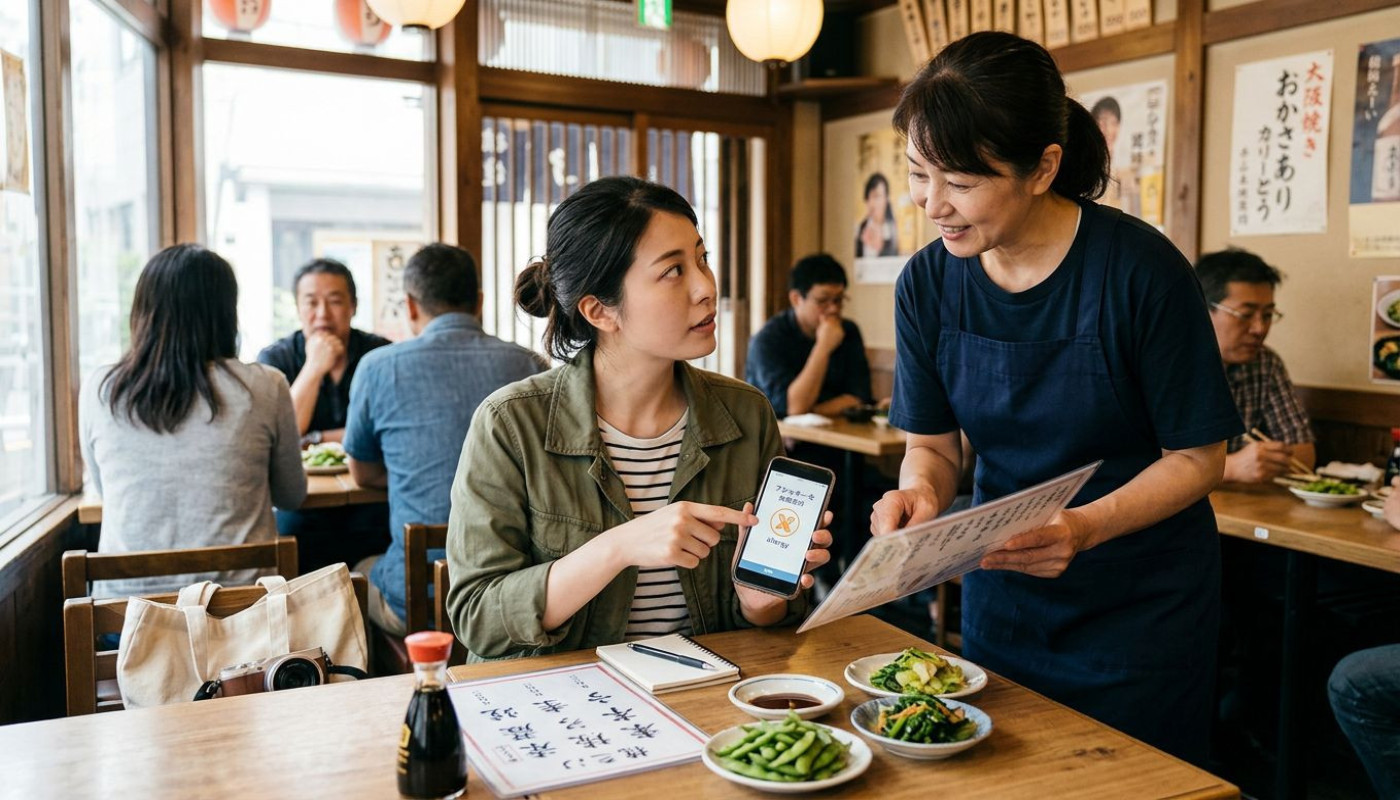
Finally, spontaneity works best when you decide what you will not compromise on. Some travelers cannot improvise meals because of allergies, some need accessibility certainty, some travel with children who require predictable rest, and none of that disqualifies you from unplanned experiences. It just means you improvise within guardrails: you keep the essentials stable, and you let the “nice-to-haves” move. In practice, that might look like booking a reliable base and transport, then choosing daily activities on the spot, or planning mornings and leaving afternoons open, when fatigue and weather are clearer. Spontaneity is a skill, and like any skill, it improves when you give it a framework.
Albania’s wild card: say yes more often
Some destinations reward improvisation more than others, and Albania has quietly become one of Europe’s most compelling “say yes” countries. It sits at the intersection of the Adriatic and Ionian seas, with a coastline that can deliver both resort ease and small-bay intimacy, yet the real surprise is inland: mountain villages, river canyons, Ottoman-era towns, and a food culture that changes from coast to highlands in a matter of hours. That variety matters, because spontaneity thrives on options, and Albania offers them at short distances.
The travel infrastructure has improved significantly in recent years, while parts of the country still feel refreshingly unscripted compared with Mediterranean neighbors that have been heavily packaged for decades. That combination is ideal for the traveler who wants both freedom and feasibility: you can move, adjust, linger, and still find what you need. The practical reality is that many of the most memorable Albanian moments are not “attractions” in the conventional sense, they are encounters and landscapes you meet along the way: a roadside fruit stand, a village café where everyone seems to know each other, a beach you reach after following a tip rather than a sign.
To improvise well, you need trustworthy orientation, especially in a country where the best experiences are often a turn off the main route. That is where curated, local-first information helps, because it shortens the distance between curiosity and action, and it can point you toward regions and experiences that match your style, whether you want the Riviera, the Accursed Mountains, heritage cities like Berat and Gjirokastër, or thermal springs and canyon walks. If you want a practical starting point for planning a flexible Albania trip, you can consult the original source, then keep your schedule light enough to follow what you discover on the ground.
Planning tips before you go
To keep spontaneity enjoyable, reserve the essentials early, especially in peak summer: accommodation in the most popular coastal areas, and a rental car if you want maximum freedom. Set a clear daily budget that includes a “yes fund” for last-minute experiences, then check whether you qualify for any travel discounts or local passes where available, and confirm cancellation rules so you can pivot without penalties.
Similar articles