Table of contents
Choose a destination and you choose a set of constraints, from luggage limits and climate to local transport, health rules and budget, and the smartest travelers now reverse the logic: they start with essentials, then pick the place that fits. Airlines are stricter on cabin baggage, cities are regulating short-term rentals and heatwaves keep reshaping peak seasons, so the “right” trip in 2026 looks less like a postcard and more like a well-matched plan. What you pack, what you need and what you can’t compromise on increasingly decides where you should go.
Pack light, and some cities win
Want to travel with just a carry-on? Then the destination matters more than it used to, because the economics of flying have shifted, and “light” is no longer just a personal preference, it is a pricing strategy. Across Europe and beyond, the cheapest fares often assume you will travel with little more than a small personal item, while anything larger can trigger extra fees, and when you multiply those charges by a family of four or add return flights, the difference can rival the cost of a night or two of accommodation. That reality pushes travelers toward places where you can comfortably repeat outfits, avoid bulky gear and keep toiletries simple, which usually means mild-weather cities with reliable services, dense neighborhoods and easy access to essentials once you land.
There is also a practical side that doesn’t show up on booking engines: the more compact the trip, the more you rely on predictable infrastructure. Cities with frequent public transport, short airport transfers and walkable centers are naturally aligned with minimalist packing, because you can move quickly, avoid taxis and handle stairs without dread, and you can do laundry mid-stay without losing half a day. That is why urban breaks often beat countryside itineraries for carry-on travelers, especially when the countryside implies rental cars, muddy trails, sudden temperature drops and the kind of “just in case” items that fill a suitcase fast. Add the growing frequency of travel disruption, from strikes to extreme weather, and packing light becomes a resilience tool, and destinations that let you pivot plans easily start to look like the rational choice, not the timid one.
Heat, rain, crowds: gear tells truth
Ask yourself one blunt question: will your essentials survive the weather? Climate is no longer background scenery, it is operational risk, and the kit you need for a trip tells you what kind of destination is realistic. If you require cooling strategies, breathable fabrics, hydration capacity and shade plans, then a mid-summer visit to a city routinely hitting uncomfortable highs may feel like endurance rather than pleasure, and you will compensate by adding items: extra shirts, electrolyte tablets, sun protection, a second pair of shoes, maybe even a portable fan. Conversely, if rain protection and waterproof footwear are non-negotiable for you, then a destination with frequent showers might still work, but only if the local experience doesn’t depend on long outdoor stretches, and if museums, cafés and public transport offer easy shelter without turning the trip into a waiting game.
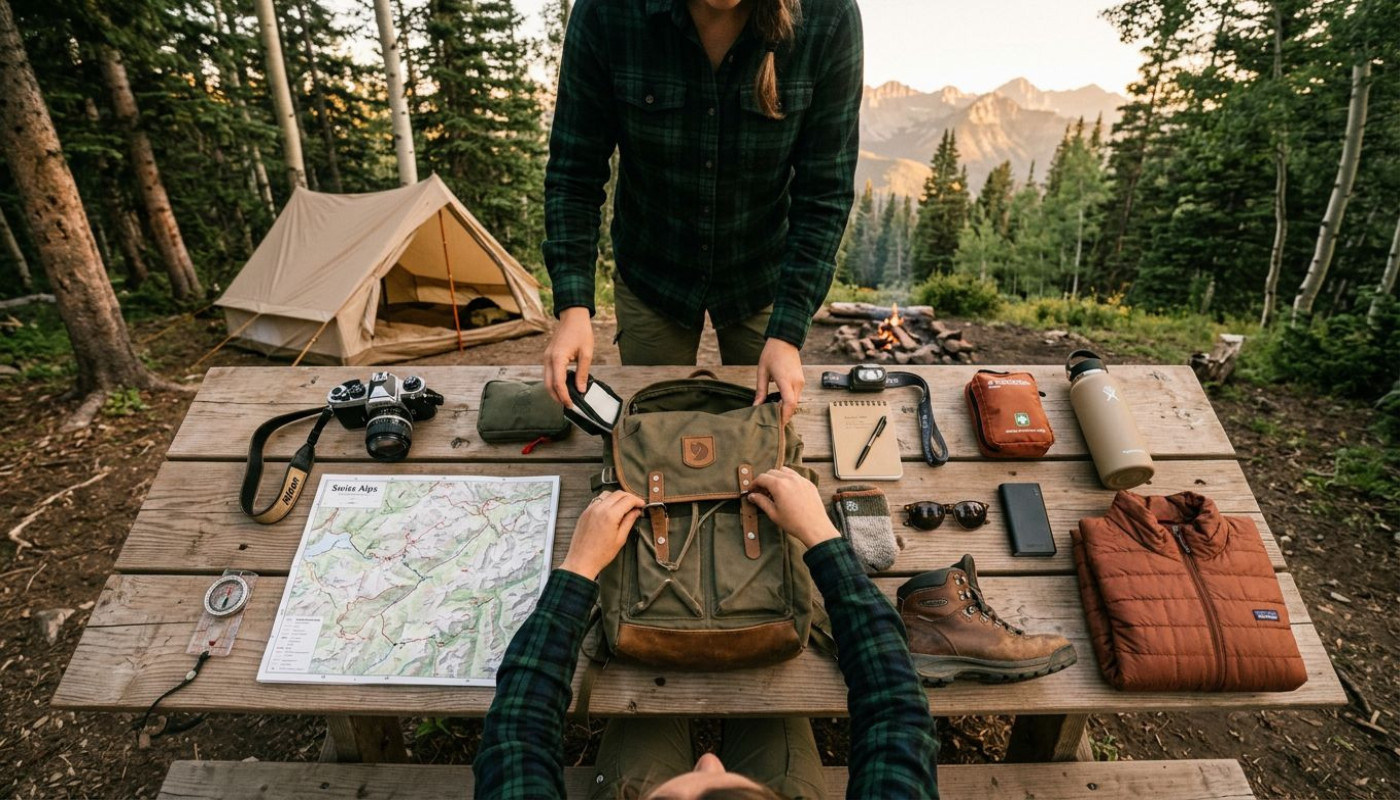
Crowds operate the same way, and they show up in your packing list through things you might not name as “crowd gear”: comfortable closed-toe shoes for long queues, a compact day bag that zips securely, a battery pack because you will use maps more, and even noise-canceling earbuds if you are sensitive. Overtourism has made certain hotspots feel less spontaneous, and the policy response is increasingly visible, with timed-entry systems, visitor caps in specific sites and higher fees designed to smooth demand. None of that is inherently bad, but it changes what “essential” means: planning tools become as important as clothing, and destinations that let you experience culture without competing for every square meter can be more compatible with how people actually travel now. When your essentials list grows because the environment is adversarial, it is a signal, and sometimes the best choice is simply the place where you can pack less defensive gear and spend more time living the trip.
Mobility needs decide your itinerary
Travel is often described as freedom, yet it begins with mobility constraints, and the essentials of movement, from stroller access to step-free routes, should be what filters destinations first. If you travel with small children, older relatives or any condition that makes long staircases and steep hills a problem, then you need a city that offers reliable elevators, frequent benches, accessible public transport and short distances between meaningful sights. The wrong match forces you into taxis, forces you to skip neighborhoods and quietly increases costs, while the right match makes the same budget feel generous. Even for able-bodied travelers, mobility essentials matter, because nobody enjoys dragging luggage over cobblestones for a kilometer, and nobody wants to discover at 11 p.m. that the last train has stopped running.
This is where smart destination choice becomes about systems, not slogans. A well-designed metro, integrated ticketing and predictable schedules reduce the number of “buffer” items you carry, such as extra snacks for delays, extra layers for waiting and printed backups because mobile data is unreliable. It also shapes your day-to-day spending, because in places with strong transit you can stay slightly farther out without losing time, while in car-dependent destinations you pay for rental cars, fuel and parking, and you pack for the vehicle: chargers, phone mounts, sunglasses, tissues, the lot. Mobility essentials also include digital readiness, because many cities now expect you to book timed entries, store tickets on your phone and navigate with real-time updates, and if you prefer to travel unplugged, the best destination may be the one where you can still buy tickets at a window and ask for help without feeling punished. Matching a destination to mobility needs is not restrictive; it is how you protect the experience you are actually hoping to have.
When essentials point to Lisbon
Sometimes the essentials narrow the map to a few cities that simply “work”, and Lisbon is a recurring candidate because its practical profile matches what many travelers now prioritize: relatively short flight times from much of Europe, a compact historic core and a city rhythm that still rewards slow wandering. Yes, Lisbon has hills and famous viewpoints, but it also has trams, lifts and ride-hailing options, and a visitor can structure days so that effort and rest alternate naturally, which is an underrated essential when you want to see a lot without feeling wrung out. The climate, too, is often part of the appeal, especially in shoulder seasons when you can dress in layers rather than packing for extremes, and when evenings call for a light jacket instead of a second suitcase of cold-weather gear.
Planning is where essentials become concrete, because a destination only feels effortless if you know how to use it. For travelers who want to reduce friction, having a reliable hub for neighborhoods, day trips, transport pointers and the unglamorous details, such as what to book ahead and what can stay spontaneous, is as essential as a charger or a pair of comfortable shoes. That is why resources like https://www.lisbon-trip.com can be decisive, not because they promise a fantasy version of the city, but because they help translate needs into an itinerary: where to stay if you hate steep climbs, how to sequence districts so you are not backtracking all day, which viewpoints are worth the effort and which experiences are better timed early, late or out of peak season. Lisbon is not the “right” destination for everyone, but when your essentials include walkability, manageable packing and a city that supports both culture and downtime, it often ends up on the shortlist for good reasons.
Your next step: budget, booking, timing
Start by pricing flights with your real baggage needs, then add local transport, accommodation and timed-entry tickets, because the true cost of a destination hides in those essentials. Book shoulder-season dates early if flexibility is limited, and check whether city passes or museum bundles fit your pace. If you need accessibility support, confirm it before paying, and put reservation deadlines on your calendar.
Similar articles