Table of contents
Exploring the vibrant world of Japanese cuisine can be a delight for food enthusiasts, but it may pose challenges for those with specific dietary restrictions. Whether navigating allergies, religious preferences, or lifestyle choices, understanding local food customs and ingredients is essential for a stress-free dining experience. Uncover tips and strategies in the following paragraphs that will empower travelers to enjoy Japan’s culinary wonders with confidence and ease.
Understanding common dietary needs
Travelers navigating Japanese food restrictions often encounter challenges due to the central role of ingredients like dashi, a broth made from bonito fish flakes or kombu seaweed, which is foundational to umami-rich soups, sauces, and dressings. Those seeking to be vegan in Japan—or vegetarian—should be aware that seemingly plant-based dishes frequently contain animal-derived ingredients, such as fish-based seasonings or katsuobushi flakes. For individuals requiring gluten-free Japan experiences, soy sauce (shoyu) presents a common obstacle, as wheat is a primary ingredient; tamari is often a safer alternative, but label checking is essential to avoid cross-contamination.
For visitors searching for halal food Japan options, pork and alcohol are prevalent in many Japanese recipes, making it necessary to inquire about the use of mirin (rice wine) and hidden non-halal components in broths or sauces. Kosher Japan travelers must also be vigilant, as seafood and meat are prepared together in shared kitchens, and shellfish is widely served, increasing cross-contamination risks. Understanding local food norms is vital: restaurants may not always differentiate between dietary needs, and the concept of customizing a dish to suit specific restrictions is not as widespread as in some Western countries.
Key terms to watch for include “shoyu” (soy sauce containing wheat), “dashi” (fish or seaweed broth), “mirin” (cooking sake), and “katsuobushi” (bonito flakes). Nutrition experts recommend learning a few Japanese phrases to explain dietary requirements and carefully reviewing ingredient lists when grocery shopping. Selecting establishments known for accommodating international diets—such as Buddhist temple cuisine for vegans, or specialized halal and kosher restaurants—can significantly enhance the experience for those with dietary restrictions.
Researching before your trip
Engaging in dietary research Japan prior to departure is a foundational step when planning to experience Japanese cuisine with dietary restrictions. Understanding the nuances of local food culture, ingredients, and meal preparation methods equips travelers with the knowledge needed to make informed choices and avoid potential allergens or problematic foods. Harness resources such as official tourism websites, Japan travel food guide platforms, and traveler-focused apps designed to address Japanese food allergies or specific needs. Travel forums with active communities often share updated Japanese food tips and real-world experiences, offering practical safe food Japan suggestions tailored by fellow travelers. Constructing a personalized list of suitable dishes and trusted restaurants streamlines meal choices, especially when cross-referencing recommendations with official sources and reviews.
In the realm of Japanese culture, the concept of omotenashi—signifying genuine hospitality and anticipation of guests’ needs—plays a pivotal role in accommodating dietary requirements. Many restaurants, especially those accustomed to international guests, will strive to understand and fulfill unique dietary requests when informed in advance. Educational preparation and clear communication, supported by written cards describing allergens or restrictions in Japanese, can enhance the omotenashi experience and ensure a safe, enjoyable culinary journey. With careful planning and resourceful dietary research Japan, navigation of local cuisine becomes both accessible and rewarding, even for travelers with specific food concerns.
Communicating dietary restrictions effectively
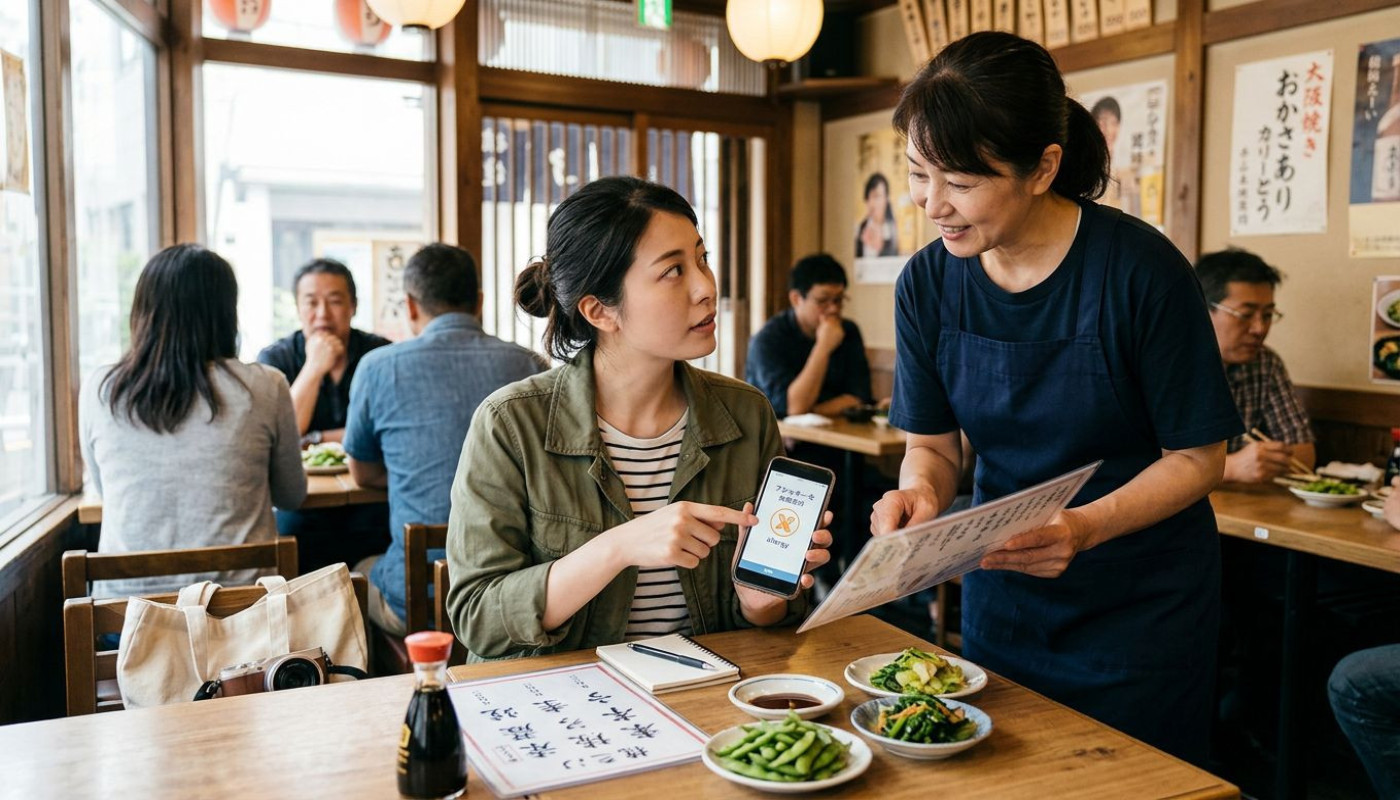
Successfully communicating allergies and dietary needs in Japan requires preparation and understanding of local customs. Learning useful Japanese phrases such as watashi wa arerugī ga arimasu (I have an allergy) or kore wa nankano arerugī wo fukumu imasu ka? (Does this contain any allergens?) helps bridge the language gap when dining out. Carrying an allergy card, known technically as an arerugī kādo, is a practical method for showing your dietary restrictions to restaurant staff. These cards can be written in Japanese, detailing specific allergies or ingredients to avoid, which ensures clarity and reduces miscommunication. Translation cards Japan and smartphone apps designed for travel dietary needs are valuable resources, especially for those with more complex requirements or limited Japanese language skills. These tools are frequently recommended by language educators who specialize in Japanese for travelers, emphasizing that visual communication can often be more effective than spoken language in high-paced environments like restaurants.
Japanese restaurant tips also suggest researching common ingredients and preparation methods to anticipate potential conflicts, as many local dishes use sauces or broths that may contain hidden allergens. Food allergy Japan guidance highlights the importance of clear, respectful communication and having backup snacks in case suitable options are limited. Travelers can explore resources like Japan Atlas to find restaurants and areas that are more accommodating for various dietary preferences, helping them plan ahead and minimize risks. For those unfamiliar, Japan Atlas offers comprehensive guides on local cuisine and practical advice for navigating food culture safely, making it an indispensable tool for those with dietary restrictions.
Identifying safe and customizable dishes
When seeking safe Japanese dishes that accommodate specific food restrictions Japan regularly presents, begin by identifying menu items that are naturally simple or freshly prepared. Sushi, for instance, often consists of vinegared rice paired with raw fish, cucumber, or egg, making it easy to request omissions or substitutions. Similarly, while tempura is usually battered and fried, diners can ask for vegetable-only options and inquire about the type of oil used to address allergies. Rice bowls, like donburi, frequently list their toppings, allowing for ingredient changes or the removal of sauces that may contain gluten, soy, or seafood. Japanese menu tips include learning key phrases for common allergens and being clear with staff about specific requirements. Customizable Japanese food options increase in establishments serving teishoku Japan, a set meal typically composed of a main dish, rice, miso soup, and small sides; some locations allow swapping certain components or opting out of sides. The willingness to adapt meals differs across eateries, with chain restaurants and modern cafés showing more flexibility, while traditional shops may adhere strictly to their recipes. Knowing which items are easiest to modify and communicating needs clearly ensures a smoother and safer dining experience for anyone navigating food restrictions Japan presents.
Shopping for groceries and snacks
Japanese grocery shopping presents distinctive challenges for those with dietary restrictions, especially when seeking packaged products or snacks. Supermarkets and convenience store Japan outlets, such as Lawson or 7-Eleven, offer a wide array of prepared foods, yet deciphering ingredient lists can be a barrier. Allergen labeling Japan regulations require manufacturers to declare specific allergens, including wheat, soy, eggs, dairy, peanuts, shrimp, and crab. Look for allergen marks—often boxed or highlighted near the ingredient list—that indicate the presence of these substances, even in processed foods and Japanese snacks dietary options. Utilizing translation tools or smartphone apps can help bridge language gaps, particularly for identifying less obvious ingredients or cross-contamination warnings commonly found in safe food shopping Japan scenarios. For individuals with strict dietary needs, sticking to plain rice, fresh produce, and minimally processed items can reduce risk, while pre-packaged fruits or nuts—clearly labeled and widely available—provide convenient alternatives when navigating convenience store offerings.
Attention to detail is vital, as Japanese labeling conventions may list ingredients in order of descending weight and sometimes use kanji or katakana characters unfamiliar to international visitors. When in doubt, searching for products with international certification marks, such as vegan, halal, or gluten-free seals, can offer additional assurance, although such labels remain rare in Japan compared to Western countries. Carrying allergy cards written in Japanese or screenshots of common allergen terms can expedite inquiries with store staff or assist in double-checking unfamiliar foods. Ultimately, leveraging both digital resources and a careful approach to reading labels supports a safer and more enjoyable experience while exploring the diverse offerings of Japanese supermarkets and convenience stores.
Similar articles